Weather Impacts on Connecticut Communities: Recovering from Recent Storms
By Local News Connecticut · 2026-08-12
Connecticut communities are dealing with the aftermath of recent severe storms, focusing on infrastructure repair and community support measures.
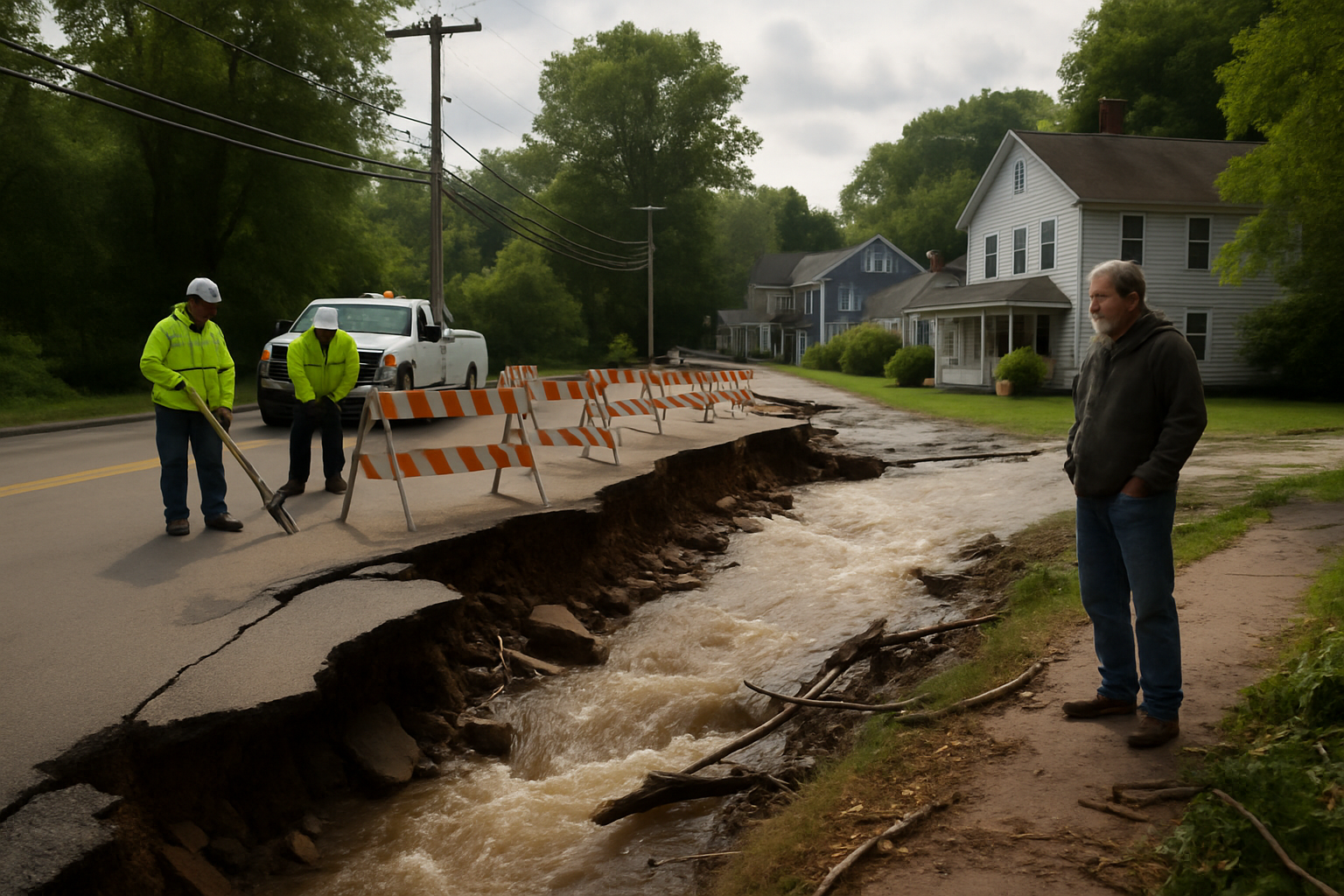
CONNECTICUT — Recent severe weather events have swept through Connecticut, leaving numerous communities grappling with significant recovery challenges. The powerful storms brought with them high winds, relentless rain, and in several regions, flooding that disrupted daily life and exposed vulnerabilities in local infrastructure.
Connecticut's roadways have been among the hardest hit, with state transportation agencies reporting numerous closures and damages to major routes. The impact on these critical thoroughfares has exacerbated commuting issues and strained local economies that rely heavily on seamless transportation. Repair crews have been mobilized to address the most pressing damages, prioritizing highways and arterial roads essential for connectivity across towns and cities(WTNH).
Utility companies are similarly immersed in extensive restoration operations after the storms caused widespread power outages. Thousands of residents experienced blackouts, some of which lasted several days, due to damaged power lines and substations. Utility providers have expressed commitments to not only restore services rapidly but also to enhance the resilience of the power grid. This includes exploring investments in modern technologies aimed at minimizing future disruptions(The New Haven Register).
At the community level, the response has been marked by a robust outpouring of support and cooperation. Local organizations and volunteer groups have coordinated efforts to provide immediate relief, setting up distribution centers for vital supplies such as food, water, and sanitation materials. Schools and community centers have temporarily transformed into shelters, offering a safe haven for displaced families. These initiatives underscore the importance of community resilience in facing environmental crises(Hartford Courant).
State emergency management personnel have been actively involved in coordinating recovery efforts, collaborating with local governments to streamline the distribution of resources. These coordinated efforts aim to ensure that assistance reaches the areas most in need efficiently and equitably. Discussions are ongoing about the scale of state and potentially federal aid required to adequately support affected communities' recovery efforts(Connecticut Post).
The economic ramifications of the storms have also been significant, particularly for small businesses that have suffered interruptions in operations. Commercial sectors reliant on local patronage and supply chains have been vocal about the need for temporary financial relief measures. State economic development agencies are under increasing pressure to devise support frameworks that could include tax relief or emergency funding to help businesses recover and maintain operations during the repair period(The Middletown Press).
Environmental advocacy groups in Connecticut are leveraging the aftermath of these storms to amplify discussions around climate change and its impact on weather patterns. They are urging state officials to integrate resilience planning into future infrastructure projects to mitigate the growing risks associated with extreme weather events. Investing in such measures, they suggest, is crucial to prevent extensive damage and disruption from similar events in the future(WVIT NBC Connecticut).
Residents affected by the storms are navigating the arduous process of filing insurance claims. Insurance firms are experiencing high volumes of claims, which have led to delays in assessments and settlements. Property owners are being encouraged to meticulously document damages, a step critical to expediting their claims process once adjusters are available to conduct thorough evaluations(CT Insider).
Officials continue to emphasize the importance of forward-looking strategies to enhance Connecticut's preparedness for future weather conditions. This includes upgrading warning systems, public education campaigns on emergency preparedness, and resilience training programs for community organizations. These initiatives reflect a comprehensive approach to minimizing potential impacts of severe weather on the state's infrastructure and communities(The Day).
As rebuilding efforts continue, the lessons drawn from these storms are likely to inform future state policies and infrastructure planning. The collective response across Connecticut illustrates the strength and unity of its communities in confronting natural adversities. By working together, residents and officials alike are paving the way for a more resilient and prepared Connecticut in the face of increasingly frequent severe weather conditions(WFSB Channel 3).
Sources
- [1] WTNH
- [2] The New Haven Register
- [3] Hartford Courant
- [4] Connecticut Post
- [5] The Middletown Press
- [6] WVIT NBC Connecticut
- [7] CT Insider
- [8] The Day
- [9] WFSB Channel 3